Trim or remove: options for an overgrown boundary hedge
When a hedge outgrows its space
A hedge that has been left to grow for years can become a real problem. Branches push into the neighbour's side, shade out garden beds, and make the boundary feel cramped. The usual question is whether to bring it back into shape with a hard prune or to take it out completely and start with something more manageable. Each approach has its place, and the right choice depends on the plant species, the condition of the hedge, and what you want from the space.
Why a hedge gets out of hand
Many fast-growing species such as privet, laurel, and leylandii are planted for quick screening. Without regular trimming, they put on thick growth that becomes woody and heavy. The base often thins out as the top thickens, leaving a leggy look. Roots spread and may lift paths or compete with nearby plants. Over time, the hedge becomes a barrier that is harder to work with each season. The decision usually comes down to whether the hedge can be restored or whether it is past the point of a sensible trim.
Hard pruning: bringing it back to size
For many broadleaf hedges, a hard prune can rejuvenate the plant. This means cutting back to old wood, often leaving a framework of main stems. The idea is to stimulate fresh growth from the base and lower branches. It works best on species that bud from old wood, such as beech, hornbeam, holly, and box. The timing matters: late winter or early spring, before the plant breaks dormancy, gives the best chance for a strong flush of new shoots.
Hard pruning is not a quick fix. The hedge will look bare for a season, and you need to water and feed it through the first growing year. The new growth also needs regular tip-trimming to encourage it to bush out. If you are prepared to wait a year or two, this can save a mature hedge that only needs a fresh start. For conifer hedges like leylandii, hard pruning into brown wood rarely works; the old wood does not produce new buds, and the hedge ends up with bare patches that never fill in.
Removal: clearing the slate
When a hedge is too far gone, removal is the straightforward option. Signs that a hedge should come out include large gaps that will not close, a trunk that has become too thick to cut back safely, roots that are damaging structures, or a species that has simply outgrown the site. Removal also makes sense when you want to change the boundary treatment entirely, perhaps to a fence, a wall, or a different kind of planting.
Removing a hedge involves cutting it down to stumps, grinding the stumps, and clearing the root mass. For large hedges, this is heavy work. The soil may need time to settle before you replant. But once it is gone, you have a clean canvas. You can choose a more suitable species, space plants properly, and plan a maintenance routine from the start. Many people find that a well-chosen fence with a narrow border planting gives a cleaner look with less ongoing work.
Factors that tip the decision
The plant species is the first thing to check. If it is a species that responds well to hard pruning, trimming may be worth the effort. If it is a conifer or a weak grower, removal is usually the better bet. The size of the hedge also matters. A hedge that is over three metres tall and dense all the way through is a major project to prune. The cost and time of hiring equipment and disposing of the cuttings can be similar to removal.
The neighbour's position is another factor. A boundary hedge is shared in many cases, so you may need agreement. If the hedge is healthy and the neighbour wants to keep it, a trim is the diplomatic route. If it is causing issues on both sides, removal may be the cleanest solution. Always check local rules about boundary hedges before making a decision.
Your long-term plan for the garden matters too. If you intend to redesign the space or build near the boundary, removal gives you freedom. If you only want to restore the privacy screen, hard pruning can achieve that with less disruption to the soil and the overall look of the garden.
Comparing the work involved
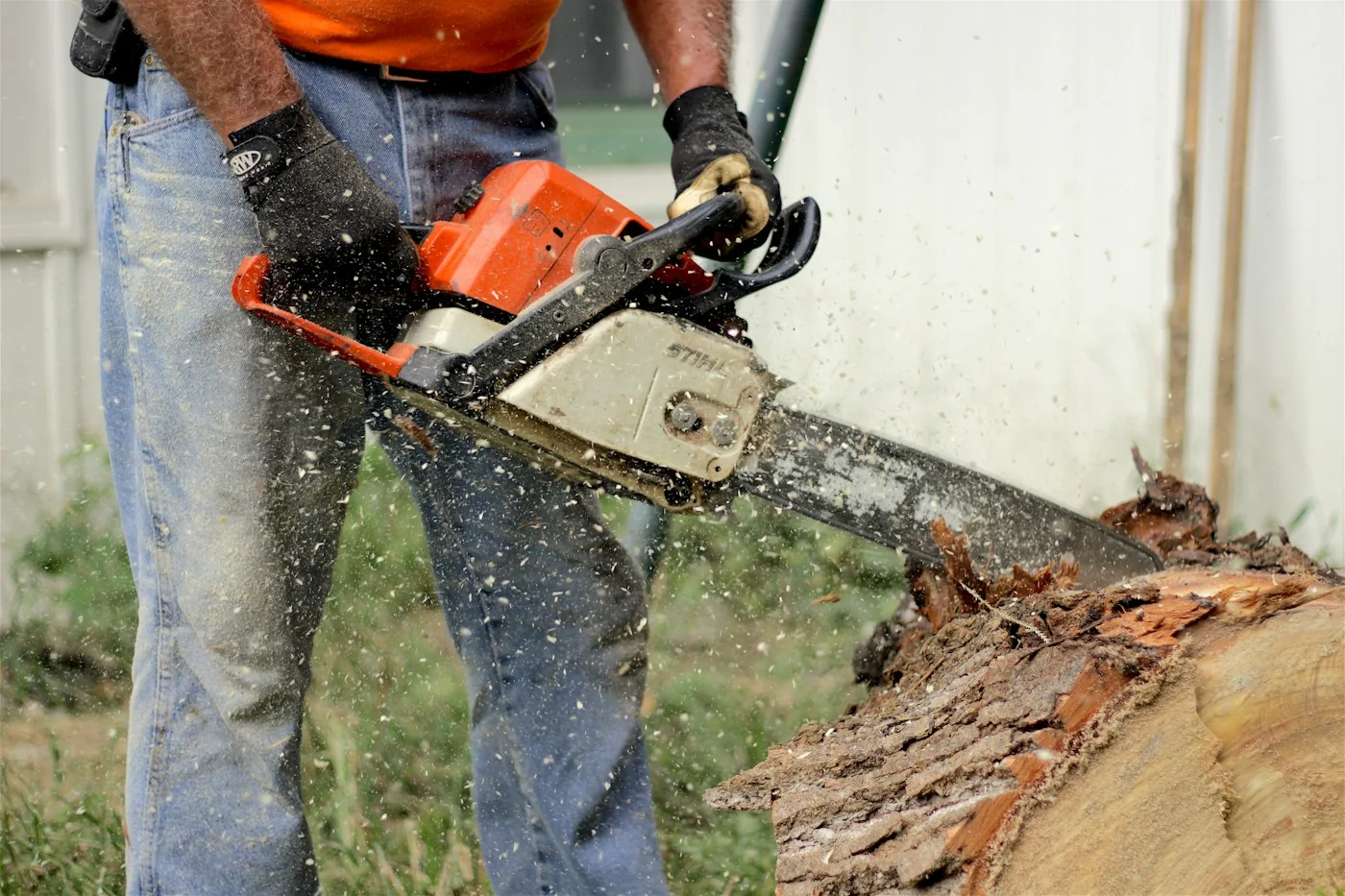
Hard pruning a large hedge takes several days of cutting, hauling, and cleaning up. You need good loppers, a pruning saw, and possibly a chainsaw for the thickest stems. The cuttings can fill a skip quickly. After the prune, you have to monitor regrowth, water in dry spells, and apply a balanced fertiliser in spring. It is not a one-off job; it becomes a commitment for the next two to three seasons.
Removal is heavier work upfront but finishes cleanly. Stump grinding leaves the area ready for replanting or turfing. The main downside is the loss of screening while a new hedge or fence goes in. If you need privacy immediately, you may want to plant a fast-growing alternative while the old hedge is still in place, or install a temporary screen.
When to call in professionals
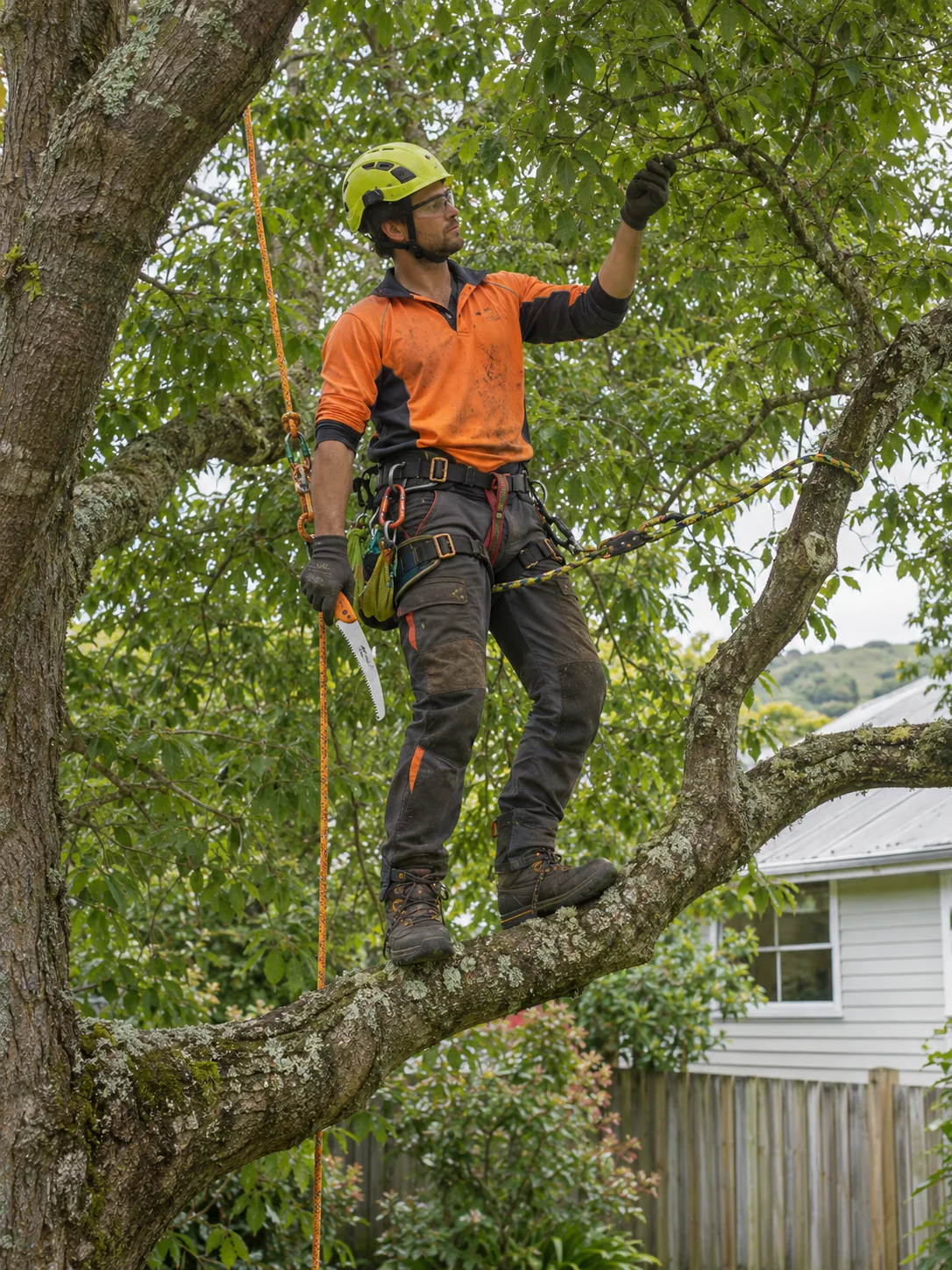
Both hard pruning and removal can be dangerous when the hedge is tall or near a house, driveway, or power line. Large branches falling the wrong way can cause injury or damage. A professional arborist has the equipment and experience to bring down big hedges section by section. They can also advise on whether a hard prune is likely to succeed for a particular plant.
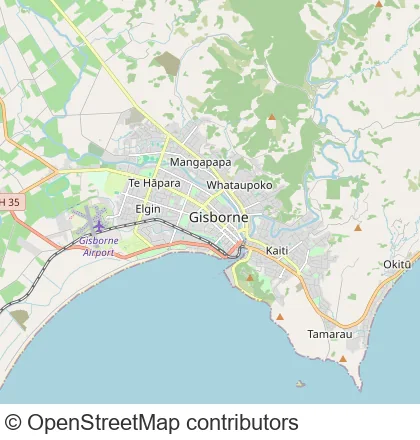
For homeowners in Gisborne, services like Tree Removal Gisborne palm care services offer assessments for overgrown hedges. They can help you weigh the options based on the species, the site, and your budget. Getting professional advice early can save you from starting a prune that will not deliver the result you want.
If you decide on removal, stump grinding is usually included in the quote. If you choose to trim, ask about ongoing maintenance plans. Many arborists offer a seasonal trim service that keeps the hedge in check without the need for a drastic prune later. That kind of regular care is what Tree Removal Gisborne palm care services provide for properties that want to keep boundaries neat without the yearly battle.
Making the call
There is no single right answer for every overgrown hedge. Hard pruning suits resilient species and patient gardeners who can wait for the regrowth. Removal suits tired hedges, conifers that will not regrow, and anyone who wants a fresh start with a more manageable boundary. Look at the plant, the space, and the time you can commit. Then choose the path that gives you the best long-term outcome for your garden.
Tree Removal Gisborne on social media
 Facebook
Ends · THEGARDENARBORJOURNAL